Five years on from the first UK lockdown of the COVID-19 pandemic, Hughes Hall convened a distinguished panel of experts to reflect on the global crisis. This blog expands upon a key theme of the discussions.
The COVID-19 pandemic tested society in unimaginable ways, yet it also sparked an outpouring of compassion and solidarity. As society continues to recover, the strength shown during that time remains a powerful reminder of our shared humanity.
In the early months of the pandemic, fear and uncertainty consumed the world. Healthcare workers were thrust into situations they weren’t prepared for, trying to combat a deadly virus while also worrying about their own health and the safety of their families. Palliative care doctor and journalist, Dr. Rachel Clarke, vividly recalled how the NHS was pushed to its limits. Staff worked tirelessly, caring for overwhelming numbers of very ill patients, often without adequate protective gear and under the constant threat of exposure to the virus.
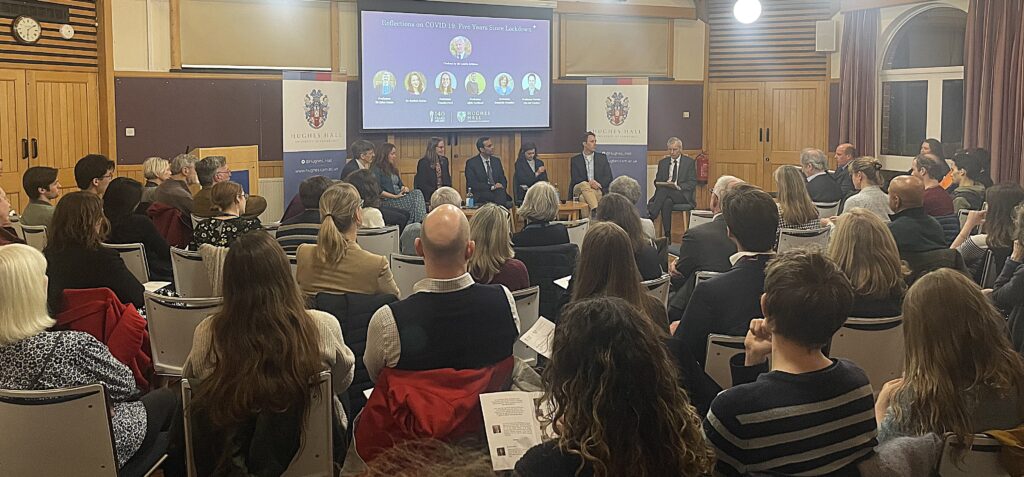
Five years on from the first ‘lockdown’ in the UK, Hughes Hall convened a distinguished panel of experts to reflect on this global crisis.
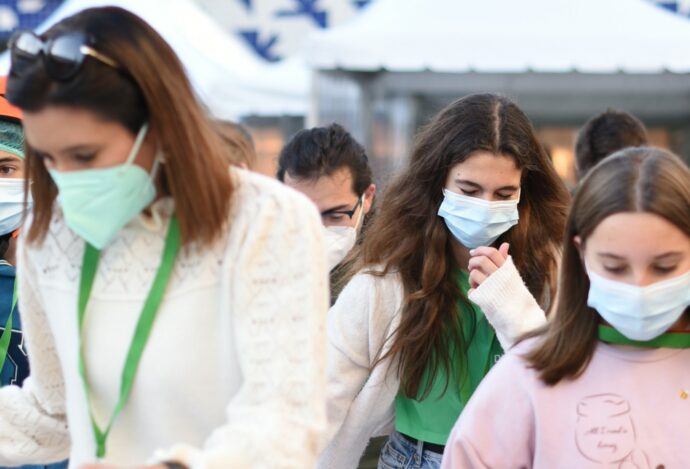
The mental toll on staff was immense, and the trauma experienced by the profession is still being felt, five years on. Dr. Clarke described how many NHS workers continue to be affected by burnout, depression, and post-traumatic stress. As public attention shifts away from the pandemic, with a sense that many would prefer to “move on”, those still experiencing its effects can feel as though the issue has been buried.
Children and young people were also acutely affected. Professor Tamsin Ford, leading child and adolescent psychiatrist, highlighted how the unprecedented circumstances exacerbated mental health challenges that were already simmering beneath the surface, through isolation, lack of socialisation and disrupted education. The hardest hit were often young women, who experienced steep rises in rates of anxiety, depression, and eating disorders. And for children living in homes where domestic violence or economic instability was prevalent, the pandemic worsened an already difficult situation.
Suffering was widespread and the most marginalized and vulnerable groups—such as the elderly, those in low-income communities, and those with chronic illness—were disproportionately affected, and existing inequalities deepened. Across the globe, people experienced the pain of loneliness, anxiety, and loss. The virus itself claimed millions of lives and the long-term physical and mental health consequences of the emergency are still unfolding. People postponed medical care, chronic conditions worsened, and many continue to battle the lingering effects of Long COVID. Millions more have faced additional lasting effects as finances and relationships, as well as businesses and community services, were put under strain. For future preparedness, questions will need to be answered about whether the right groups were identified as most at risk, if protective measures were properly targeted, and how we might approach things differently when the next crisis hits.
As public attention shifts away from the pandemic, with a sense that many would prefer to “move on”, those still experiencing its effects can feel as though the issue has been buried.
Amidst the turmoil, the pandemic also revealed humanity at its finest. Countless acts of kindness and solidarity emerged. Neighbours checked on one another, communities rallied in support, and frontline workers demonstrated unwavering dedication. These moments of extraordinary generosity and compassion became a lifeline and sign of hope for many in a time of despair. The pandemic tested us, but it also revealed how resilient and selfless we can be when we come together.
As we look into the rearview mirror, the full scale of the systemic shock will take years to become apparent. COVID-19 was devastating, and the recovery will be long, but we should hold onto hope and recognise the empathy and strength that emerges in times of crisis.
Bringing people together to reflect on where we are now and where we go next, as individuals and as a society, helps us to better understand and process the different experiences and, critically, learn from mistakes to inform future planning.
Further information
- Additional COVID Reflections Blogs and a summary of the event itself, are available in our news section.
- For more on events at Hughes Hall, see our Events pages.
- For more on how Hughes Hall aims to change the world for the better through positive impacts on our people, partners, and wider society, see our Bridge pages and IMPACT HQ.
19.03.25