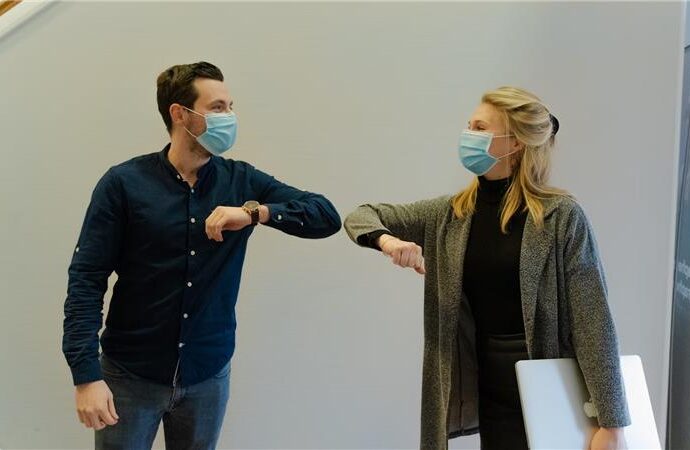
Five years on from the first UK lockdown of the COVID-19 pandemic, Hughes Hall convened a distinguished panel of experts to reflect on the global crisis. This blog expands upon a key theme of the discussions.
With all the data and experience we have accumulated, along with the benefit of hindsight, have we learned enough from this unprecedented global crisis to be better prepared for the next one?
In the early stages of the COVID-19 pandemic, the response was chaotic and reactive. Scientists scrambled to understand the virus, while medics and policymakers struggled to interpret the rapidly changing data and how to respond. As Professor Sir John Aston, former Chief Science Advisor at the Home Office, described, statisticians were under intense pressure to analyse the data and provide the right information to decision makers at the right time. Within a context of extreme uncertainty, not only was it about combating a virus; it was about managing a multi-dimensional crisis that intertwined public health, social behaviour, and economics.
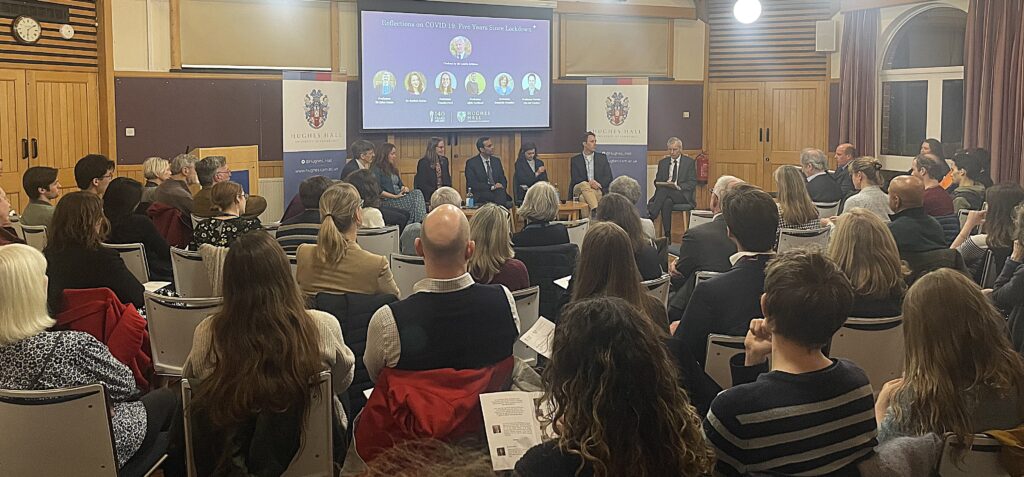
Hughes Hall convened a distinguished panel of experts to reflect on the global crisis.
Despite unclear data and incomplete science, society had no choice but to act. One of the most striking lessons of the pandemic was the power of interdisciplinary collaboration. Professor Ajith Parlikad, from the Institute of Manufacturing at Cambridge University, shared how engineers, scientists and other experts from a range of disciplines across Cambridge worked together to tackle problems faced by hospitals—ranging from the supply and management of PPE to ventilator capacity. An urgency to innovate and collaborate across fields was triggered, accelerating decision making and process improvement. However, as we emerge from this crisis, it seems that in some areas such progress has stalled, been lost or even regressed.
Throughout the pandemic, the importance of public goods was in the foreground, encompassing not just essential services like healthcare but also the intellectual capital provided by institutions, experts, and the wider public sector. We have the opportunity to capitalise on the breakthroughs forced by the crisis and restore the sense of possibility and adaptability we experienced during that time. This ability to innovate across disciplines should not be an anomaly but should become the norm for how we address complex challenges in the future, and we should re-embrace the opportunistic mindset and build upon the lessons learned.
It’s also clear that beyond individual efforts, large institutions and authorities must also collaborate effectively. As Professor Deborah Prentice, Vice-Chancellor of the University of Cambridge, noted, the U.S. struggled with a lack of coordination, while the UK’s centralised approach allowed for a quicker, more cohesive approach. To avoid confusion and inefficiency in crisis management, political structures, governments, and global institutions must learn from the contrasting responses to the pandemic to work together in a more unified way.
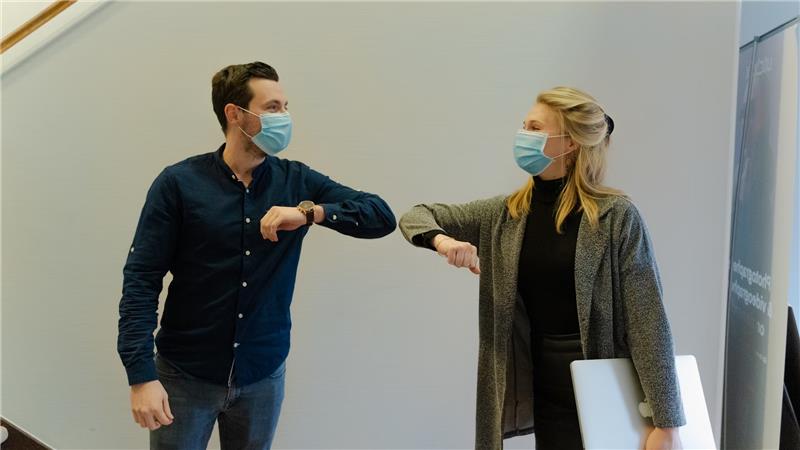
One of the most striking lessons of the pandemic was the power of interdisciplinary collaboration. Unsplash
Institutional failings during the pandemic have led to public inquiries in its aftermath. Such inquiries have often served as mechanisms for political blame allocation. In an ideal world, however, they could offer so much more. They should demonstrate a genuine shift from political point scoring to focusing on institutional improvement and accountability, and be utilised as vehicles for guiding future action to help society learn and adapt. Institutions have a unique capacity to bring value to society by fostering innovative solutions, promoting critical thinking, and offering expertise that drives progress, and any inquiries should serve as roadmaps for making systems and processes more robust, rather than simply assigning fault.
The pandemic was a wake-up call for the need for collective action and direction. We will need to evolve from a mindset of reactive adaptation to one of proactive resilience. It’s not just about emergency plans and stockpiles but about creating systems that can withstand the shock of global challenges. This means fortifying healthcare systems, addressing mental health challenges, creating economic policies that can respond to shock, and strengthening social structures that allow communities to weather adversity together.
As we face future crises, we must carry forward the lessons of innovation, resilience, and collaboration—ensuring that we approach the next challenge with foresight, unity, and resolve.
Further information
- Additional COVID Reflections Blogs and a summary of the event itself, are available in our news section.
- For more on events at Hughes Hall, see our Events pages.
- For more on how Hughes Hall aims to change the world for the better through positive impacts on our people, partners, and wider society, see our Bridge pages and IMPACT HQ.
20.3.25