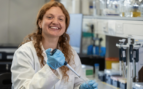
Professor Sara Hennessy’s research is shaping national education policy for better teaching and learning in Tanzania
Research led by Hughes Hall Fellow, Professor Sara Hennessy, is helping to reshape Tanzania’s national education system, improving teaching quality, influencing government policy and highlighting critical gaps in inclusion to strengthen learning outcomes for children across the country.
Over three years, her team’s EdTech Hub project evaluated and supported Tanzania’s nationwide teacher professional development programme. Designed to reach teachers across all primary schools (200,000 teachers), the programme improves the quality of teaching at scale; a powerful driver of better learning outcomes for students.
The research tackles a global challenge: how to deliver effective, scalable teacher development in low- and middle-income countries using digital tools providing detailed evidence on what works and what doesn’t when reforms are rolled out at national scale.
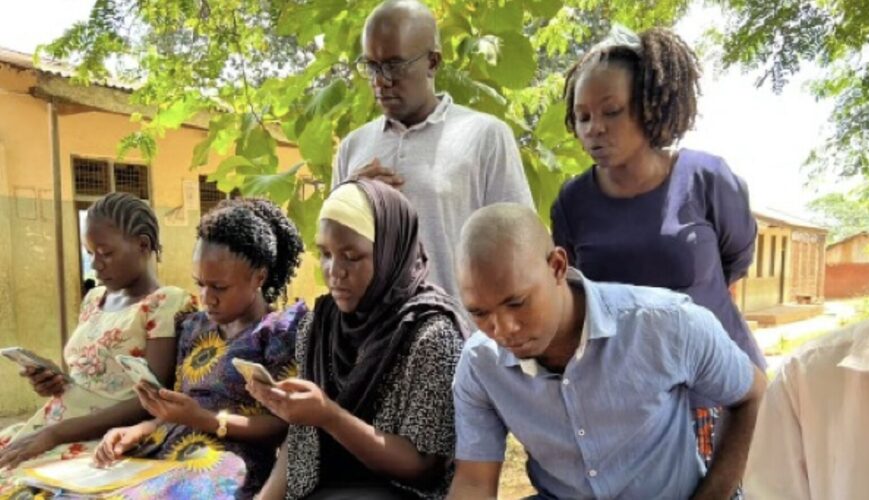
Technology-Supported Teacher Professional Development in Tanzania
Implementing change
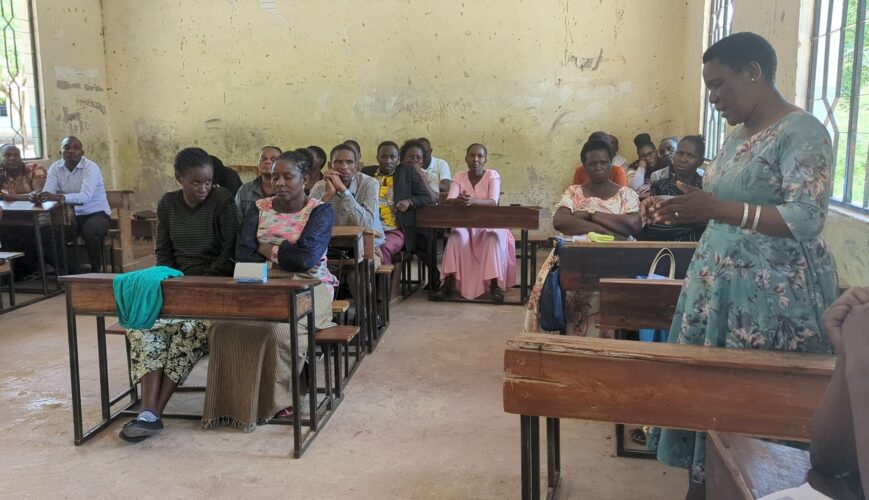
In many schools, teachers are already using more interactive approaches encouraging discussion, group work and problem-solving. However, the research reveals a critical gap between policy ambition and classroom reality. While the programme has been rapidly scaled nationwide, many teachers in rural schools remain unable to fully participate due to limited access to technology, high data costs, and low awareness of the programme’s resources.
The work has had a direct impact on government decision-making with recommendations adopted by Tanzania’s Institute of Education and Ministry of Education.
One senior government official said: “The partnership has strengthened the evidence for teacher development in our country, promoting digital learning solutions and supporting data-driven decision making”.
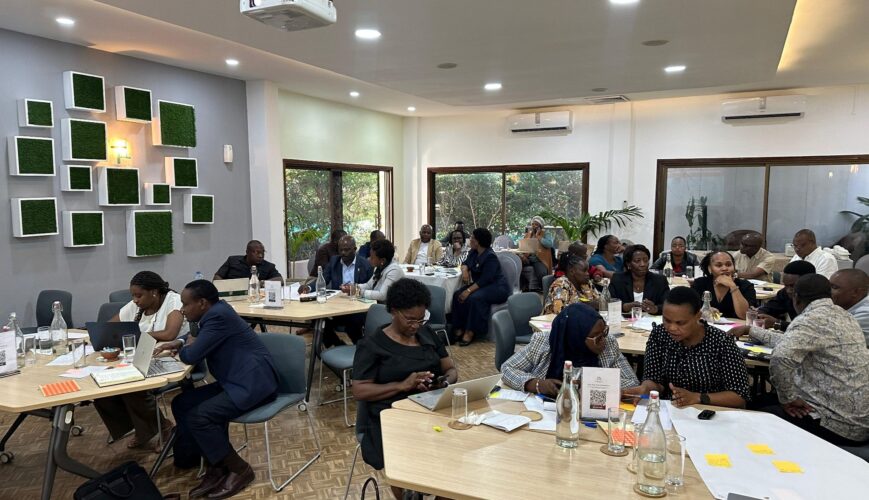
The programme improves the quality of teaching at scale; a powerful driver of better learning outcomes for students.
Addressing inequalities
The study also highlighted how teachers with disabilities and chronic illnesses can be excluded from professional development, due to inaccessible materials, lack of assistive technology, and persistent stigma. Awareness of these issues is now increasing across the system, with new efforts underway to develop accessible teaching materials, including large print and braille resources, and to ensure that future reforms better support teachers with diverse needs.
Reflecting on the impact of the work, Professor Hennessy said: “Improving education at scale depends on supporting teachers effectively, and ensuring that no one is excluded. This research has helped identify both the progress being made and the barriers that still need to be addressed to improve learning for all students.”
The research revealed gender inequalities that affect participation in teacher workshops, with female teachers often facing greater barriers due to unequal workloads, social expectations, domestic responsibilities and reduced access to technology outside school.
By bringing these issues to light, the research is helping ensure that national reforms are not only effective but equitable.
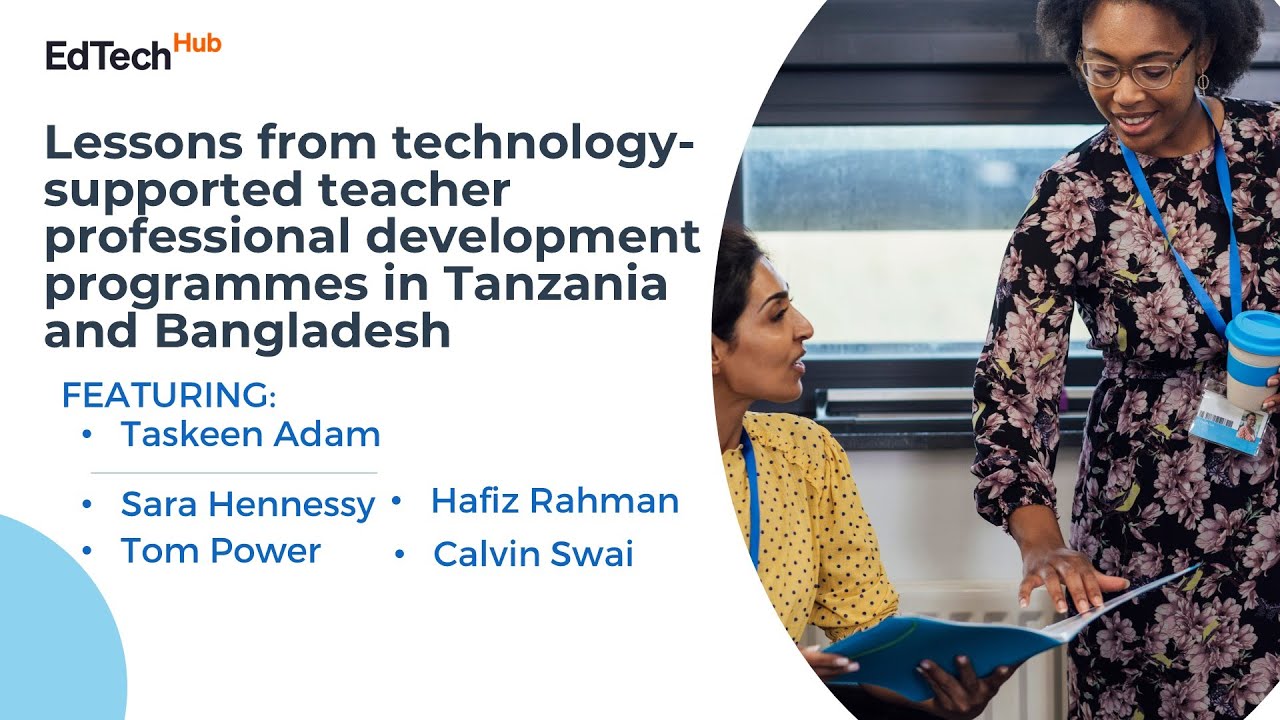
Professor Hennessy added: “When teachers are listened to and supported, we see real changes in classrooms. That has a direct impact on how students learn, engage and succeed.”
The research is already shaping a further roll-out to secondary schools and, beyond Tanzania, to inform new programmes across Africa and other low- and middle-income countries.
“This research has helped identify both the progress being made and the barriers that still need to be addressed to improve learning for all students.”
1.6.26