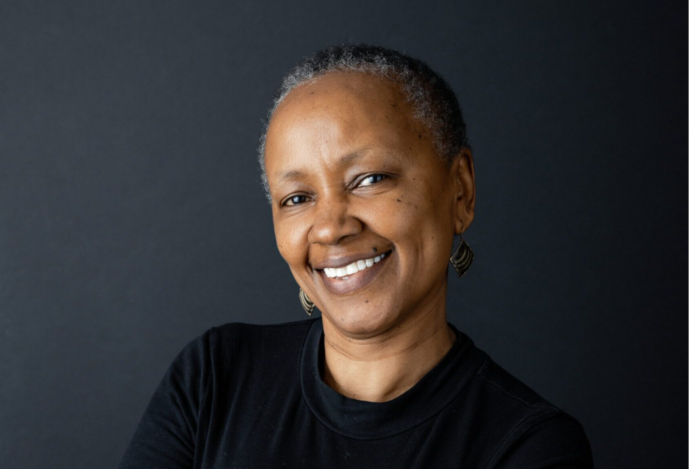
Dr Tabitha Mwangi is Programme Director of the Mastercard Foundation Scholars Program at Cambridge; and a Governing Body Fellow at Hughes Hall.
“When my children where in school, they dreaded Black History Month assembly when schools dredge out all the terrible things that have historically happened to Black people.
“I wish to remind young Black people that there is a lot to celebrate – keep that in your focus so that you remain inspired.”
A research scientist, educator, writer, journalist and blogger, Tabitha has a keen interest in promoting the life and work of African scientists. Her book, 12 Remarkable African Life Scientists, was published in 2023.
Tabitha spoke to us about her our life, her work, her inspiration…and having to deal with ‘annual Black Trauma Month’!
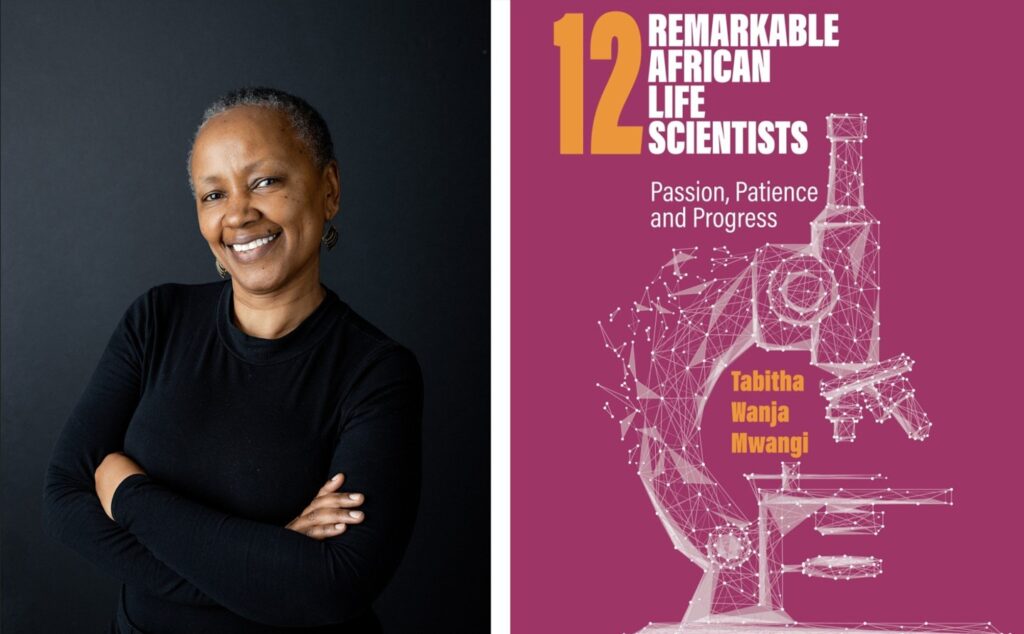
“I wanted to write a book for secondary school and undergraduate students in Sub-Sahara Africa, profiling scientists who look just like them, so that they can see those stories and think ‘If he/she can do it, so can I!’”
Tell us about yourself and your background?
I am a mother of three lovely people, who bring me much joy. I am also very lucky to have been born and brought up in Kenya. I studied in government-funded institutions, from nursery all the way to university – so I have experienced the highly competitive education system on the continent, where you must work hard to get from one step to the next. I was certain education would open opportunities – a belief held strongly by my parents.
I have always been a book worm. I enjoy music, writing stories and the company of family and friends.
Tell us about your role with the Mastercard Foundation; and about the scholars you work with?
I am Programme Director of the Mastercard Foundation Scholars Program at the University of Cambridge, working with a fantastic team dedicated to providing support to our scholars in residence as well as alumni. This year, we welcomed 69 scholars to the family of 120 alumni, with over 30 African countries represented so far. Our alumni have gone on to start PhDs, find placements and employment, as well as start social ventures on the African continent.
We are so proud of them!
What led to you write 12 Remarkable African Life Scientists: Passion, Patience and Progress (published 2023).
Growing up in Kenya, research was not a career option and when I was a scientist, there was little media coverage of local scientists and the impact of their work. I wanted to write a book for secondary school and undergraduate students in Sub-Sahara Africa, profiling scientists who look just like them, so that they can see those stories and think ‘If he/she can do it, so can I!’
And tell us about your background in academia and research, in journalism and blogging?
I studied Veterinary Medicine at the University of Nairobi, at the end of which, I was certain I did not want to be a veterinary surgeon! I undertook a Master’s in veterinary epidemiology at the same institution before taking on a PhD in malaria epidemiology.
I spent 10 years in malaria research, before switching to freelance journalism with the leading national papers in Kenya and soon after started a blog (Health Kenya). I was senior lecturer at Pwani University in Kenya before moving to the UK where I worked as a senior lecturer at Anglia Ruskin University before joining Cambridge-Africa in 2021 and moving to the Mastercard Foundation Scholars Program later.
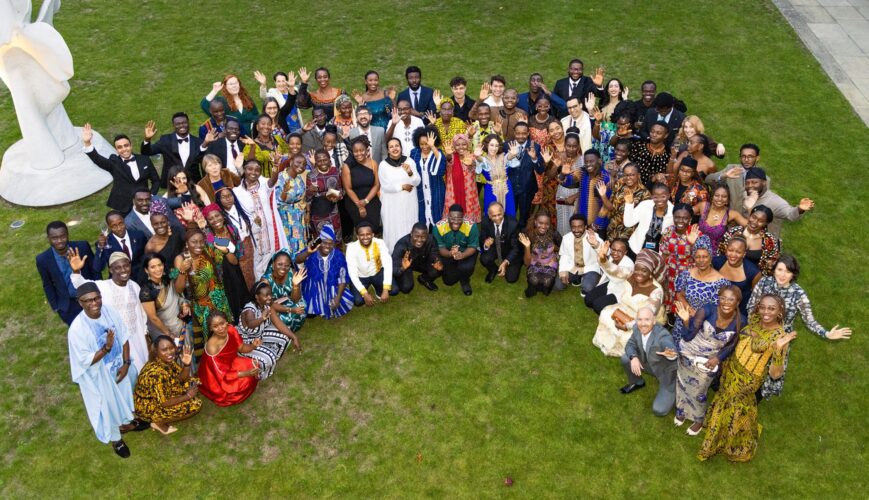
The Mastercard Foundation Scholars Program is a global initiative designed to develop the next generation of transformative leaders by enabling highly talented, service-oriented young people to pursue higher education and cultivate their leadership potential.
What motivates you today, and what’s your next challenge?
Although much of the world is stuck in an archaic view of Sub-Sahara Africa, the continent itself is on the move, which is what happens when a good proportion of the population is young and educated. I see a bright future for the continent. I am mindful of the huge impact that the support from the Mastercard Foundation is having across the African continent, especially among young people who are internally displaced/refugee or living with a disability. I want to continue to be part of the generation that lend a hand to young people on the continent to reach their potential.
During Black History Month, what do you reflect on?
When my children where in school, they dreaded Black History Month assembly, as it is a time when schools dredge out all the terrible things that have historically happened to Black people (with the occasional mention of one or two football stars). The pitiful looks from schoolmates left them embarrassed and ashamed. It was difficult to watch. Thankfully for them, the rest of the month was devoted to other minority groups, who were more fully celebrated. Even now, I feel sorry for the thousands of Black children across the country having to deal with the annual Black Trauma Month events at school.
Stories about strong characters from Sub-Sahara Africa abound, but there is a laziness in trying to change certain long-held beliefs.
I wish to remind young Black people that there is a lot to celebrate – keep that in your focus so that you remain inspired.
Further information
- Dr Tabitha Mwangi
- Hughes Hall’s Black History Month showcase
- The Mastercard Foundation Scholars Programme
- Cambridge-Africa
9.10.25